Surgical Headlight vs Surgical Light: When Surgeons and Dentists Need Each
Surgical headlights, dental loupe lights and medical headlamps compared with overhead surgical lights: brightness, shadows, ergonomics, wireless vs corded, and when to use both.

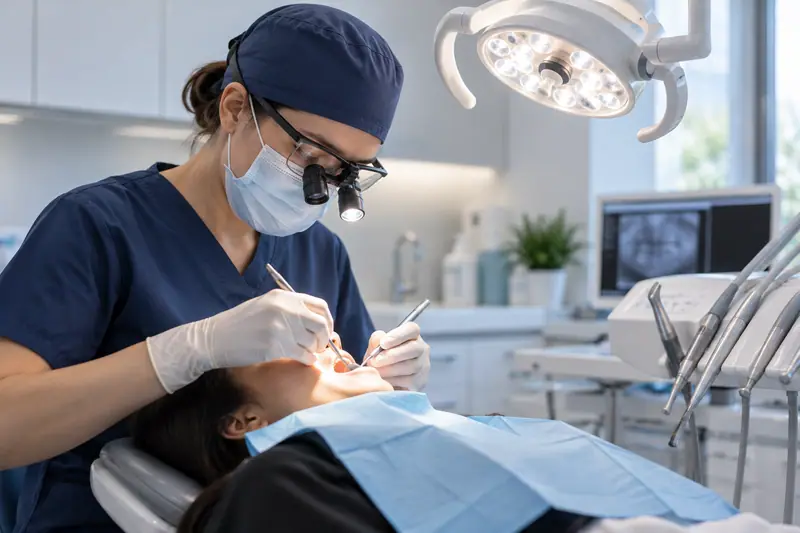
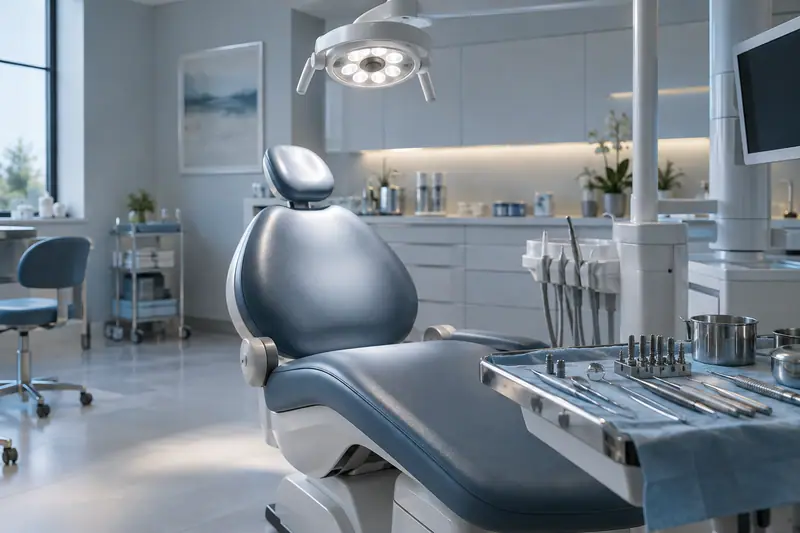
Walk into an ENT, neurosurgery, plastic surgery or dental operatory and you'll often see two light sources: the overhead surgical light and a surgical headlight on the surgeon's head or loupes. They don't compete — they solve different problems. This guide explains when each is needed.
In short: the overhead light illuminates the whole field for the whole team; a headlight follows the surgeon's eyes into narrow, deep or angled spaces. Most surgeons who use headlights still need a good overhead light.
How they differ
| Aspect | Overhead surgical light | Surgical headlight / loupe light |
|---|---|---|
| Light direction | From above, multiple angles | Coaxial with the surgeon's line of sight |
| Typical illuminance | 40,000–160,000 lux at 1 m | Quoted at 30–45 cm; varies widely |
| Field | Large, adjustable (10–30 cm) | Small spot |
| Shadow control | High (many sources) | Light follows view; instruments cast shadow |
| Who benefits | Whole team | Wearer only |
| Ergonomics | No weight on surgeon | Weight on head/loupes, battery |
| Positioning | Repositioned with sterile handle | Moves automatically with head |
When a surgical headlight helps
- Deep, narrow cavities — nasal, sinus, ear, throat, spinal, some cardiothoracic work.
- Angled sites where the overhead light can't reach without repeatedly moving the head.
- Magnified work with loupes — dentistry, plastic and microsurgery, vascular anastomoses.
- Mobile or field settings with limited overhead lighting.
When the overhead light is enough
- Open abdominal, orthopaedic and general surgery with a wide field.
- When the team, not just the surgeon, needs to see the wound.
- Long procedures where weight on the head causes neck strain.
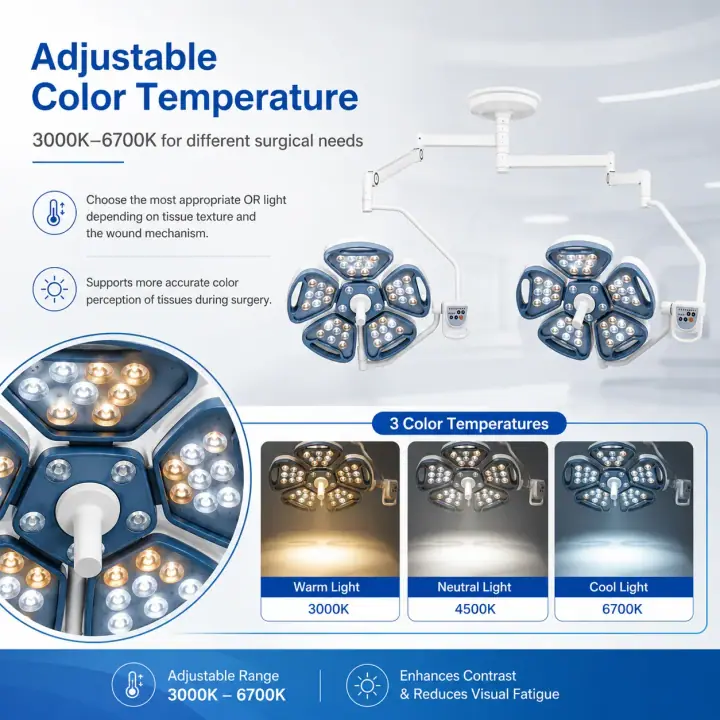
A good overhead light with deep illumination (e.g. 150 cm L1+L2 on the KL-LED-STZ5) and multi-source shadow dilution reduces how often a headlight is needed. See shadowless lamps explained.
Dental headlights and loupe lights
Dentists using loupes often add a dental loupe light. Points to consider:
- Cordless (battery on the frame) vs corded (belt pack).
- Weight — every gram matters over a full clinic day.
- Colour temperature and CRI — for shade matching.
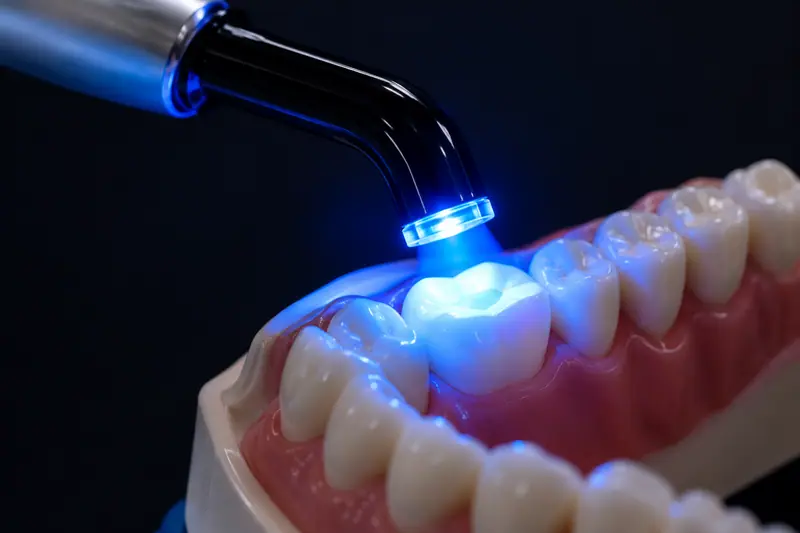
- Orange / curing filter — prevents premature curing of composite resin, just as the anti-curing function on Keling's dental surgical lights does.
Even with a loupe light, the operatory light provides the general intra-oral illumination for the assistant. Compare in dental operatory light vs loupe light and see lighting for dental implant surgery.
Choosing a surgical headlight: checklist
- Brightness and spot size at your working distance.
- Colour temperature (often 4,500–6,000 K) and CRI.
- Battery run time and charging, hot-swap option.
- Total weight and balance on head or loupes.
- Compatibility with your loupes.
- Cleanability of headband and cable.
Keling's role
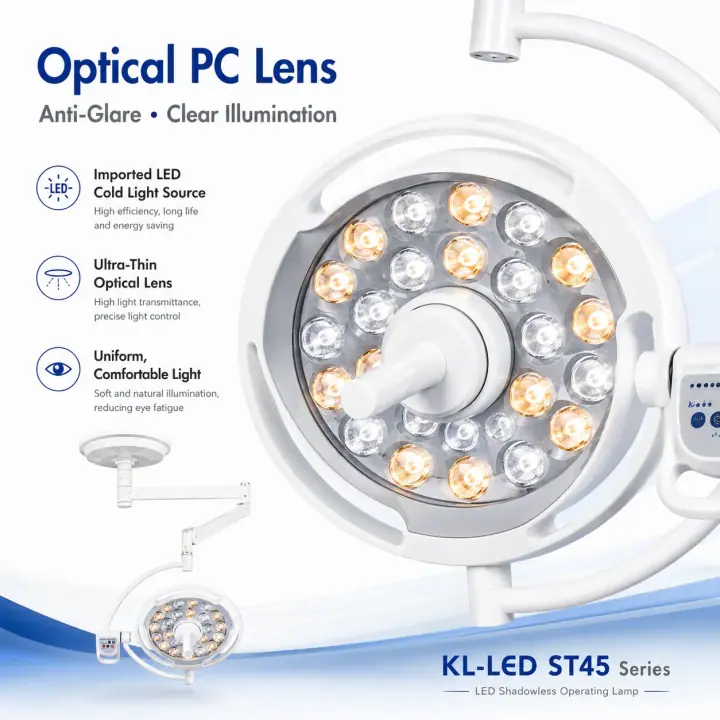
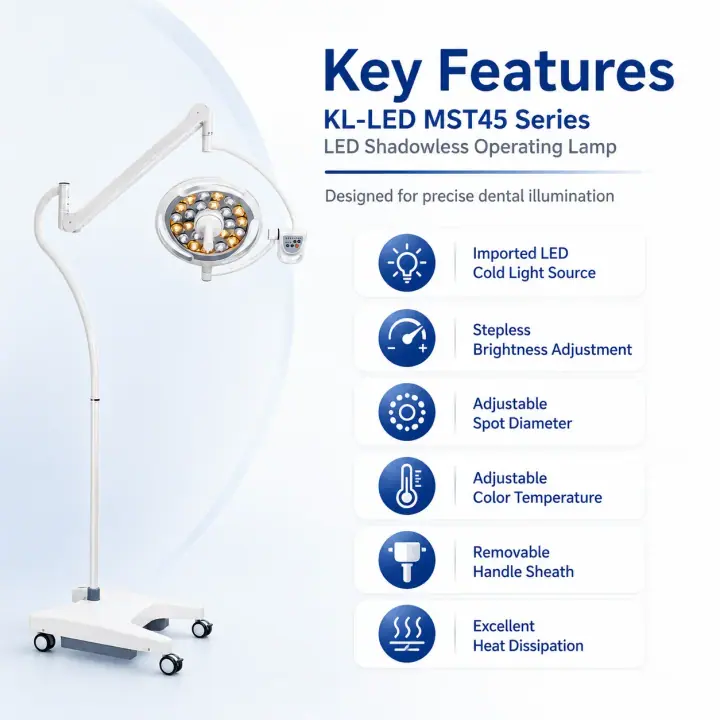
Keling Medical manufactures the overhead side of the equation — ceiling, mobile and dental surgical lights, plus examination lights. For dental and minor surgery we recommend the KL-LED-ST45 (ceiling) or KL-LED-MST45 (mobile), both ≥ 80,000 lux with an anti-curing filter.
Ask us which overhead light pairs best with your surgical team's headlights.
Frequently asked questions
What is a surgical headlight?
A surgical headlight (surgeon headlight or medical headlamp) is a small LED light worn on a headband or clipped to loupes. It projects a beam along the surgeon's line of sight into narrow or deep cavities.
Does a surgical headlight replace an overhead surgical light?
No. A headlight adds coaxial light for narrow, deep or angled sites, but it lights only where the surgeon looks and casts the shadow of instruments. The overhead surgical light still provides general illumination of the field for the whole team.
What is a dental loupe light?
A dental loupe light is a compact LED headlight mounted on dental or surgical loupes, powered by a battery pack or a cordless battery on the frame. It gives magnified, shadow-free light inside the mouth.
Wireless or corded surgical headlight?
Wireless (cordless) headlights carry the battery on the headband or loupes — freedom of movement, but extra weight and limited run time. Corded models use a belt-pack battery — lighter on the head and longer run time, but with a cable.
What brightness should a surgical headlight have?
Manufacturers usually quote lux at a working distance (often 30–45 cm). Because distances differ, compare values at the same distance, and look at spot size, colour temperature and CRI as well as brightness.