How to Become a Medical Equipment Distributor: Sourcing, Registration and Selling to Hospitals
A practical guide for medical equipment distributors and wholesale medical suppliers: choosing product lines, sourcing from manufacturers, registration, building a catalog, selling to hospitals and tenders, and service.

Distributors connect manufacturers to hospitals. Done well, it's a durable business: hospitals value a local partner who knows the regulations, holds stock, installs, trains and repairs. This guide is for companies planning to become — or grow as — medical equipment distributors, with surgical lighting as a worked example.
The five pillars: a focused product range, strong manufacturer agreements, product registration, a credible sales process for hospitals and tenders, and real after-sales service.
Medical supplies vs medical equipment
| Aspect | Medical supplies (consumables) | Medical equipment (capital) |
|---|---|---|
| Examples | Gloves, drapes, dressings, syringes | Surgical lights, tables, monitors |
| Sales model | Volume, repeat orders, wholesale | Projects, tenders, replacements |
| Margin | Lower per unit | Higher per unit |
| Service needed | Minimal | Installation, training, maintenance |
| Working capital | Stock-heavy | Project-based |
Many wholesale medical supplies businesses add equipment to increase margin; equipment distributors add consumables for steady cash flow.
Step 1 — Choose your market and product focus
- Target customers: public hospitals, private hospitals, clinics, dental, veterinary, NGOs.
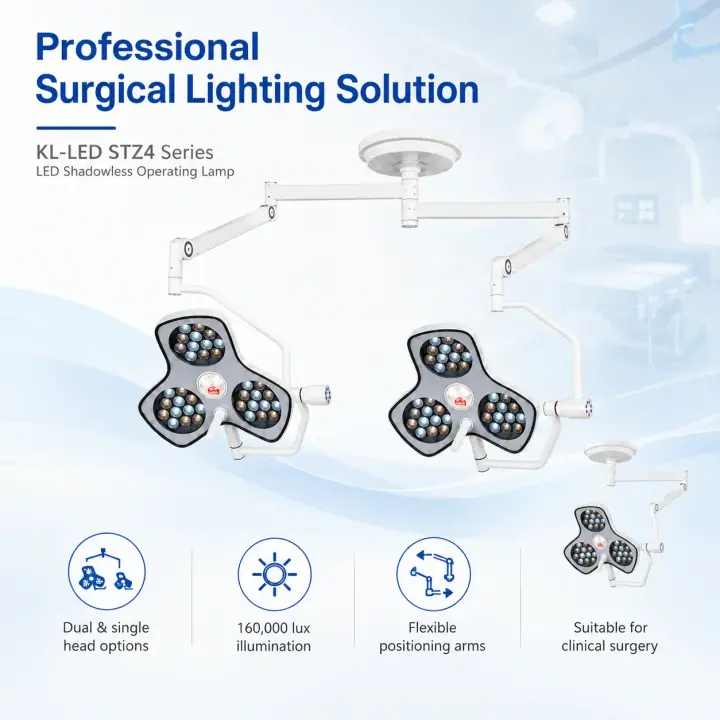
- Product families that sell together — for example surgical lights + operating tables + examination lights (see the operating room equipment list).
- Price segments you can support with service.
Step 2 — Set up the company and licences
- Register the business and any medical device distributor or importer licence required.
- Put a quality system in place for storage, traceability and complaints — many distributors adopt ISO 13485 or ISO 9001.
- Arrange import procedures, customs broker and warehousing.
Step 3 — Find and qualify manufacturers
- Meet manufacturers at trade shows such as Arab Health, CMEF and regional exhibitions — Keling exhibits at several (projects).
- Check certificates, factory capability and references — see choosing a surgical light manufacturer and sourcing surgical lights from China.
- Negotiate a distribution agreement: territory, exclusivity, targets, pricing, warranty, spare parts, training, marketing support.
Step 4 — Register the products
Most regulators require each device to be registered or listed before sale. Manufacturers should supply the technical documentation: certificates (CE, ISO 13485, FDA where relevant), test reports, IFU, labels and free-sale certificates. Keling holds CE, ISO 9001, ISO 13485 and registrations including FDA, SFDA, EFDA and Uzbekistan.
Step 5 — Build a catalog and demo programme
- A medical equipment catalog with clear specifications, photos and comparisons. Keling's product finder and spec sheets can be reused.
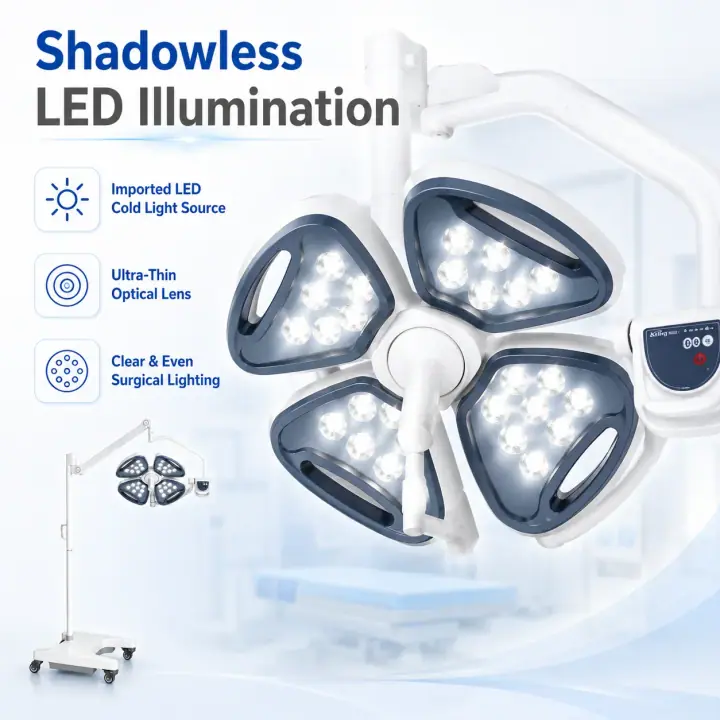
- Demo units — a mobile surgical light such as the KL-LED-MSZ4 is easy to take to hospitals.
- Sales tools: brochures, spec comparisons, reference lists.
Step 6 — Sell to hospitals and tenders
- Map decision makers: surgeons, theatre managers, biomedical engineers, procurement.
- Learn the tender calendar and specification style.
- Prepare tender dossiers: compliance tables, certificates, datasheets, authorisation letters.
- Offer demonstrations and site visits.
- Price the full package — product, installation, training, warranty, spares. See surgical light price guide.
Step 7 — Deliver service
- Trained engineers for installation and repair — see maintenance and repair.
- Spare parts stock and fast response.
- Preventive maintenance contracts — recurring revenue.
Logistics and supply chain
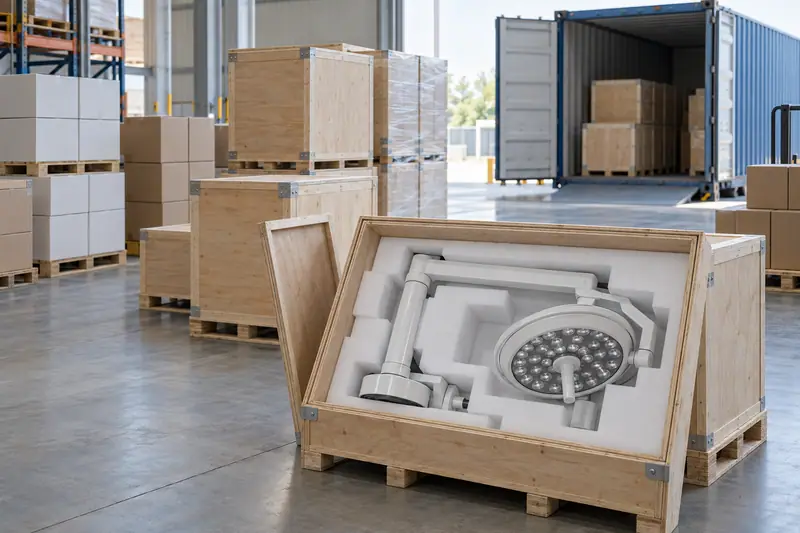
Plan lead times, buffer stock and shipping routes; consolidate orders to reduce freight. More in shipping medical equipment internationally.
Why distributors choose Keling surgical lights
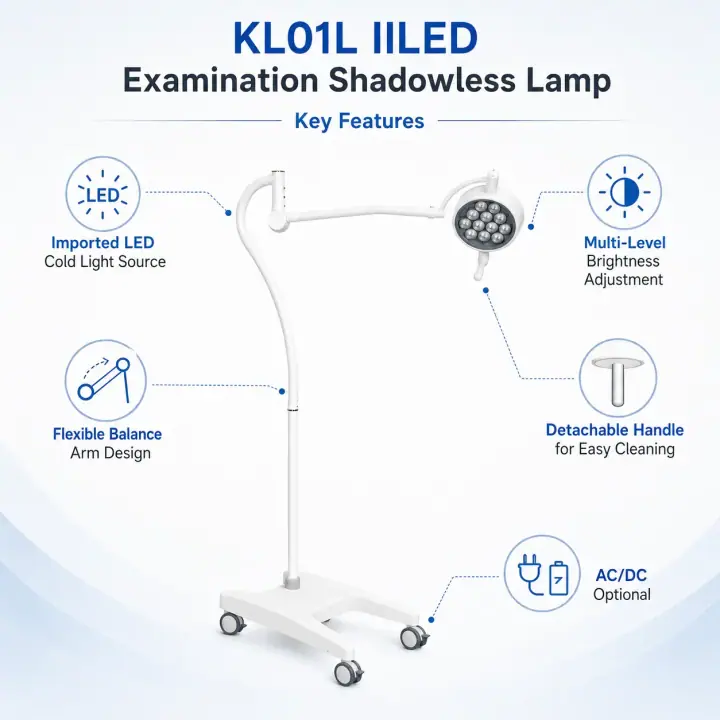
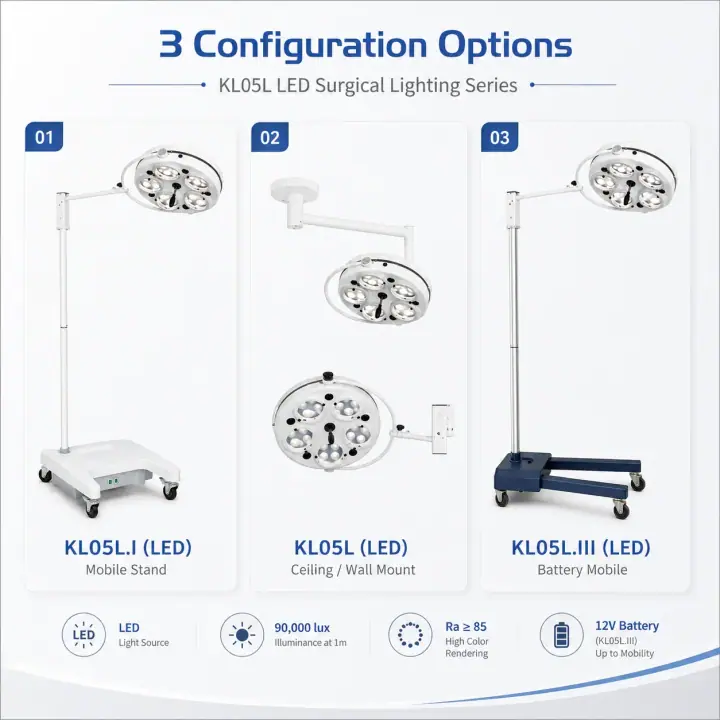
- Complete range: ceiling, mobile, multi-reflector, camera and examination lights.
- Factory pricing from a manufacturer founded in 1996.
- Export to Europe, Africa, the Middle East, Southeast Asia and South America.
- OEM and private-label options.
Apply to become a Keling distributor — tell us your territory and customer base.
Frequently asked questions
How do I become a medical equipment distributor?
Define your market and product focus, register a company with any required medical device distribution licence, secure distribution agreements with manufacturers, register the products with your national regulator, build a catalog and demo stock, then sell to hospitals, clinics and tenders while providing installation and service.
Do I need a licence to distribute medical equipment?
In most countries, yes. Many regulators require medical device distributors or importers to be registered or licensed and each device to be registered or notified before sale. Requirements vary — check with your national medical device authority.
What is the difference between a medical supplies supplier and a medical equipment distributor?
Medical supplies usually means consumables (gloves, dressings, syringes) sold in volume; medical equipment means capital devices (surgical lights, tables, monitors) that need installation, training and service. Many distributors handle both.
How do you sell medical equipment to hospitals?
Build relationships with biomedical engineering, procurement and clinical departments; respond to tenders with complete technical and certification documents; offer demonstrations and references; and back the sale with installation, training, warranty and spare parts.
Does Keling work with distributors?
Yes. Keling Medical supplies medical equipment distributors and OEM partners worldwide, with more than 40% of its products sold overseas across Europe, Africa, the Middle East, Southeast Asia and South America.